Zoning in.
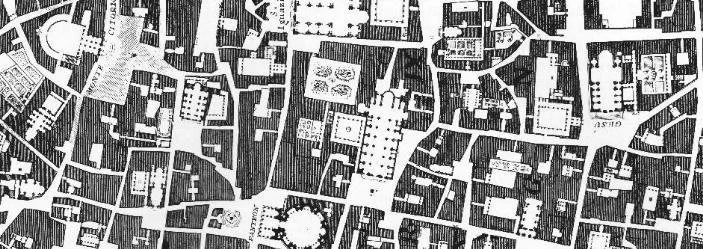
Nolli’s Figure Ground plan of Rome, 1748 (nolli-app.com)
The irony of calling our first blog "Zoning In" with the very real prospect of the reader doing the opposite is not lost on me. However, over the years we have found great success in projects where no-one else has by looking at the problems first then deciding how to work with them. It's worth talking about. After all, architectural theory is worthless if it cannot respond and adapt to real-life context.
A wise man once told me that to fully understand a text, you must look beyond the words into the white spaces. In architecture, we are taught to identify the physical elements, record them and analyse the spaces between them. A new project in the office has got me thinking about the power of mapping the existing conditions before even thinking about designing something new. Looking back, a great example of how this approach can create something seemingly from nothing is Sopers Yard.
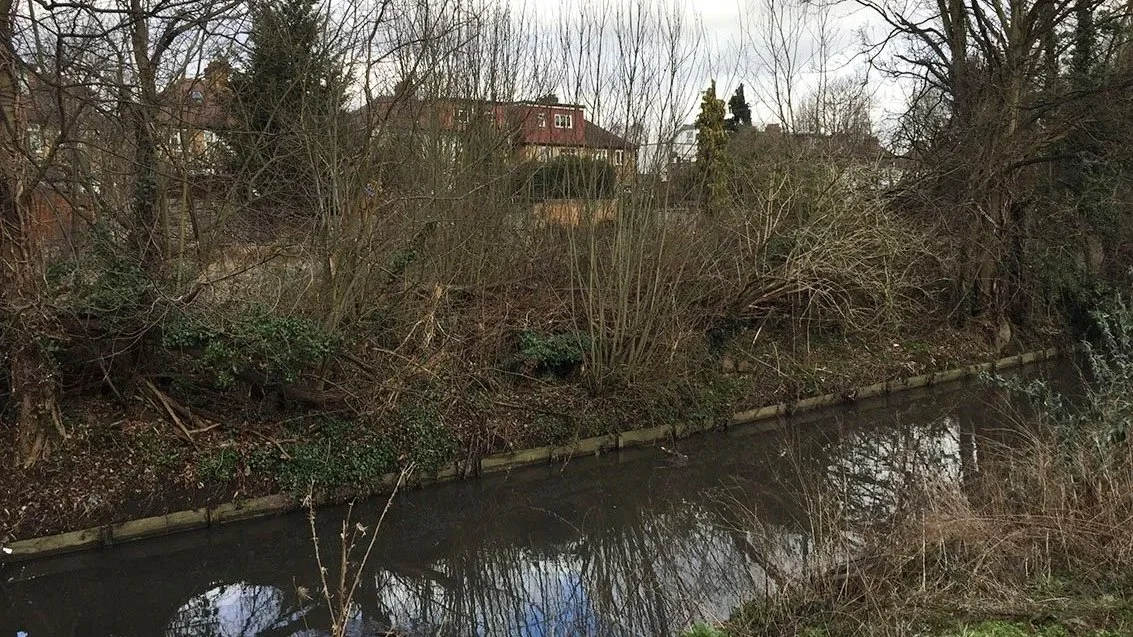
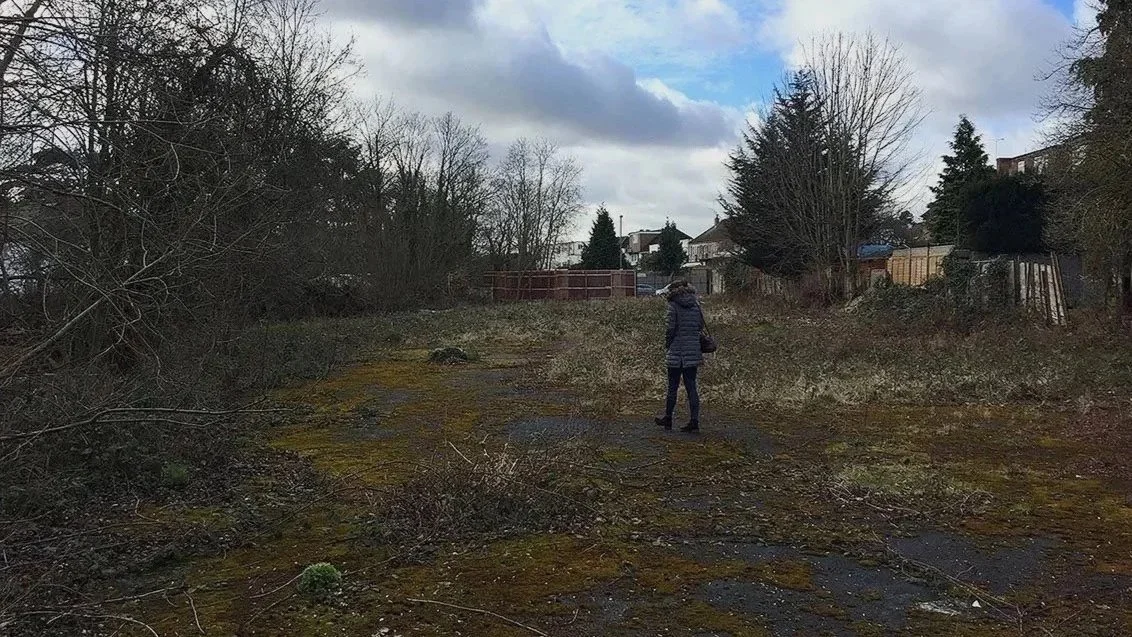
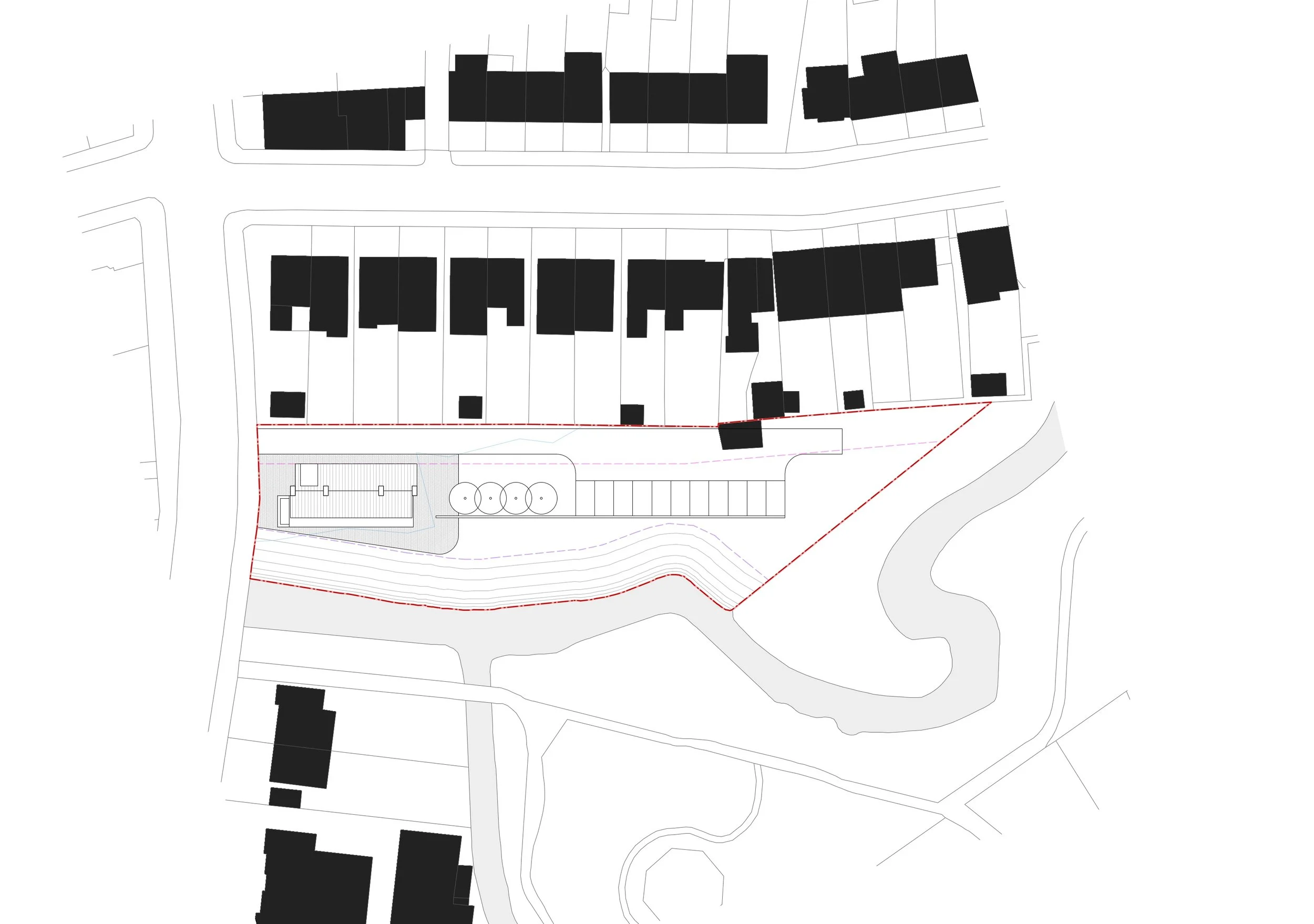
When we were approached by the owners, the site had been through (and failed) multiple planning applications. Set on the bank of the River Brent in North West London and deemed a key part of the flood mitigation strategy of the river, the site was written off as it was considered at the highest levels of risk of flooding. Residential development was a non-starter and there appeared no viable, marketable use.
If the flood defences had been better, the site was prime residential. But when asked the current value of the site, the owner asked me how much cash I had on me - and that was the value. Here I found my first positive: the site is worth £0. If we could find any opportunity to add value, it would be worth it.
We researched and recorded the constraints. Flood Zone 3 over almost all the site and the remainder Zone 2 - not one square inch free of risk. To compound this, there was an 8m exclusion zone from the bank of the river and the planning standard 21m distance away from the row of houses behind the site.
The site plan did not look pretty, but we knew that while Zone 3 is a no-go for any development, Zone 2 can be built on, albeit for very limited use and with flood mitigation methods designed into the buildings.
Of an overall site area of 2,630 sqm, we found 315 sqm that could be something. Small, but enough.
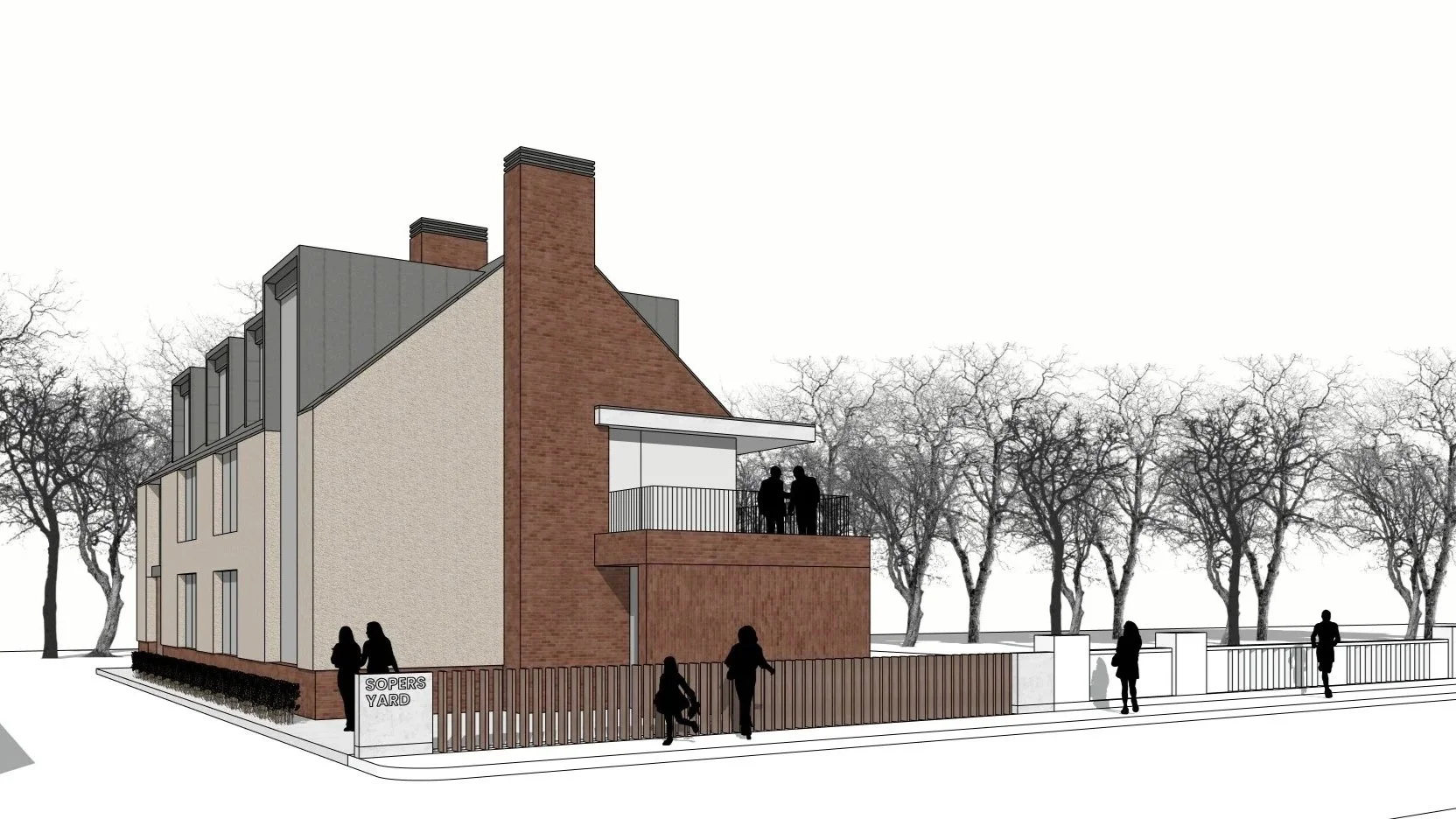
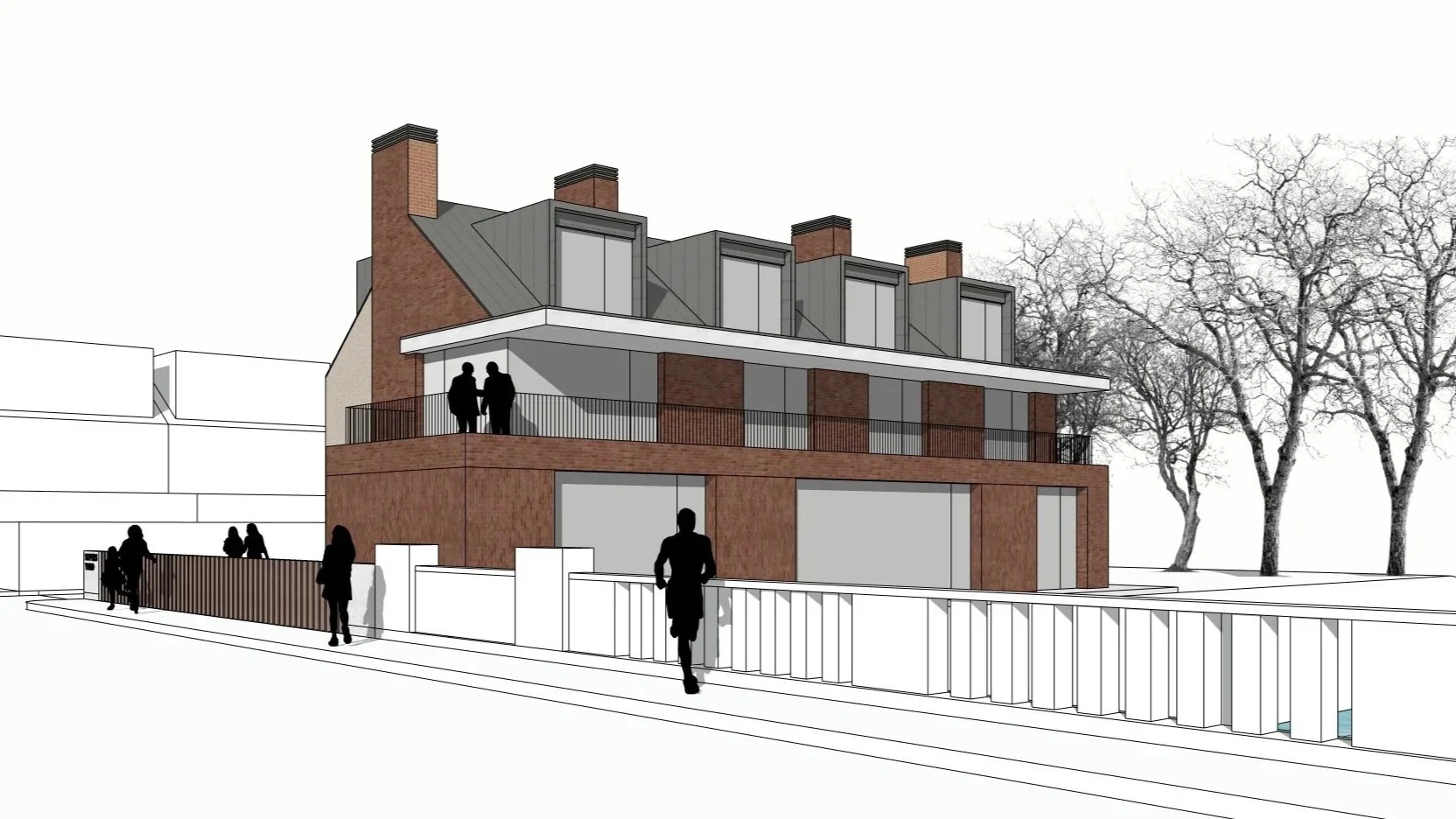
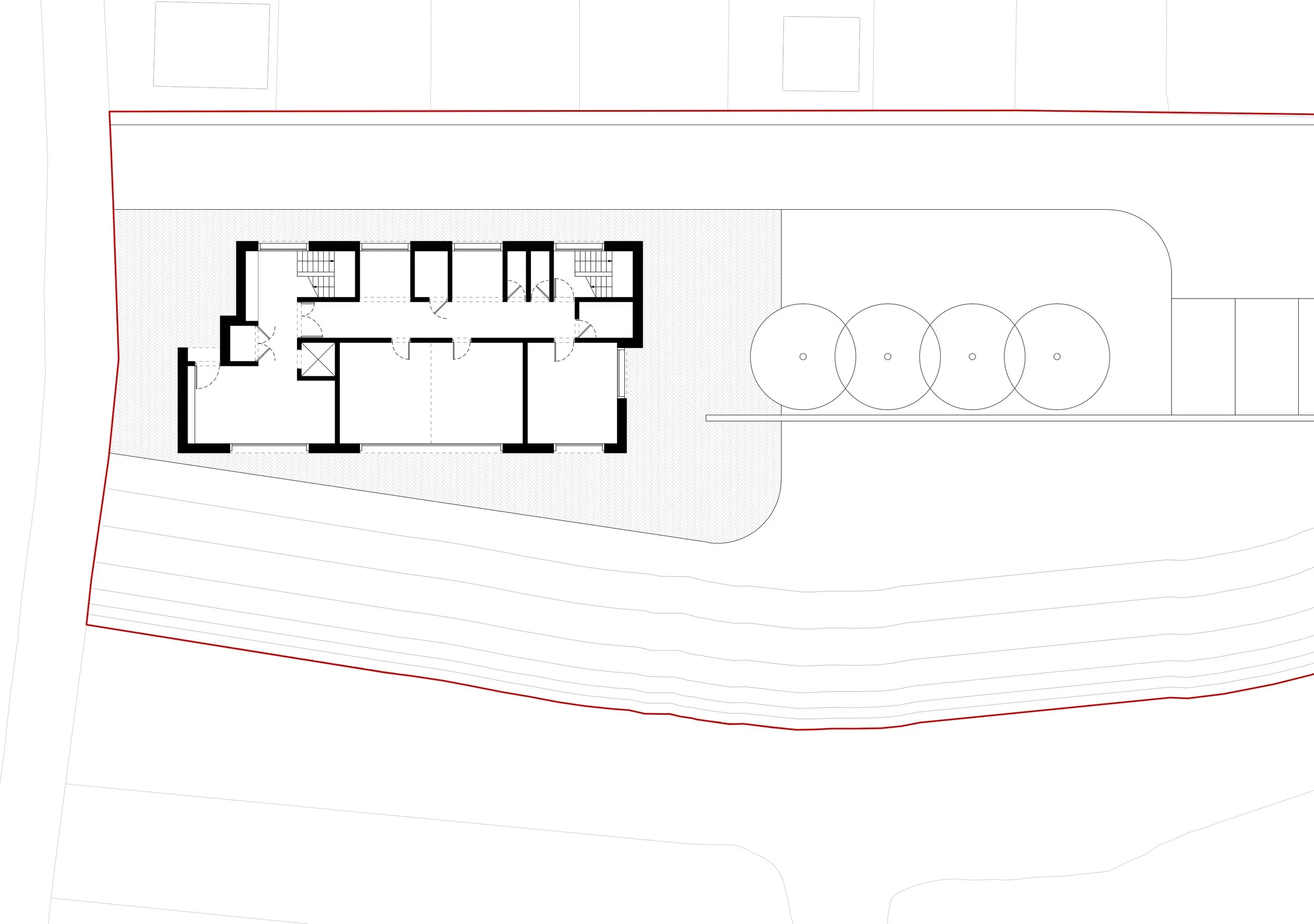
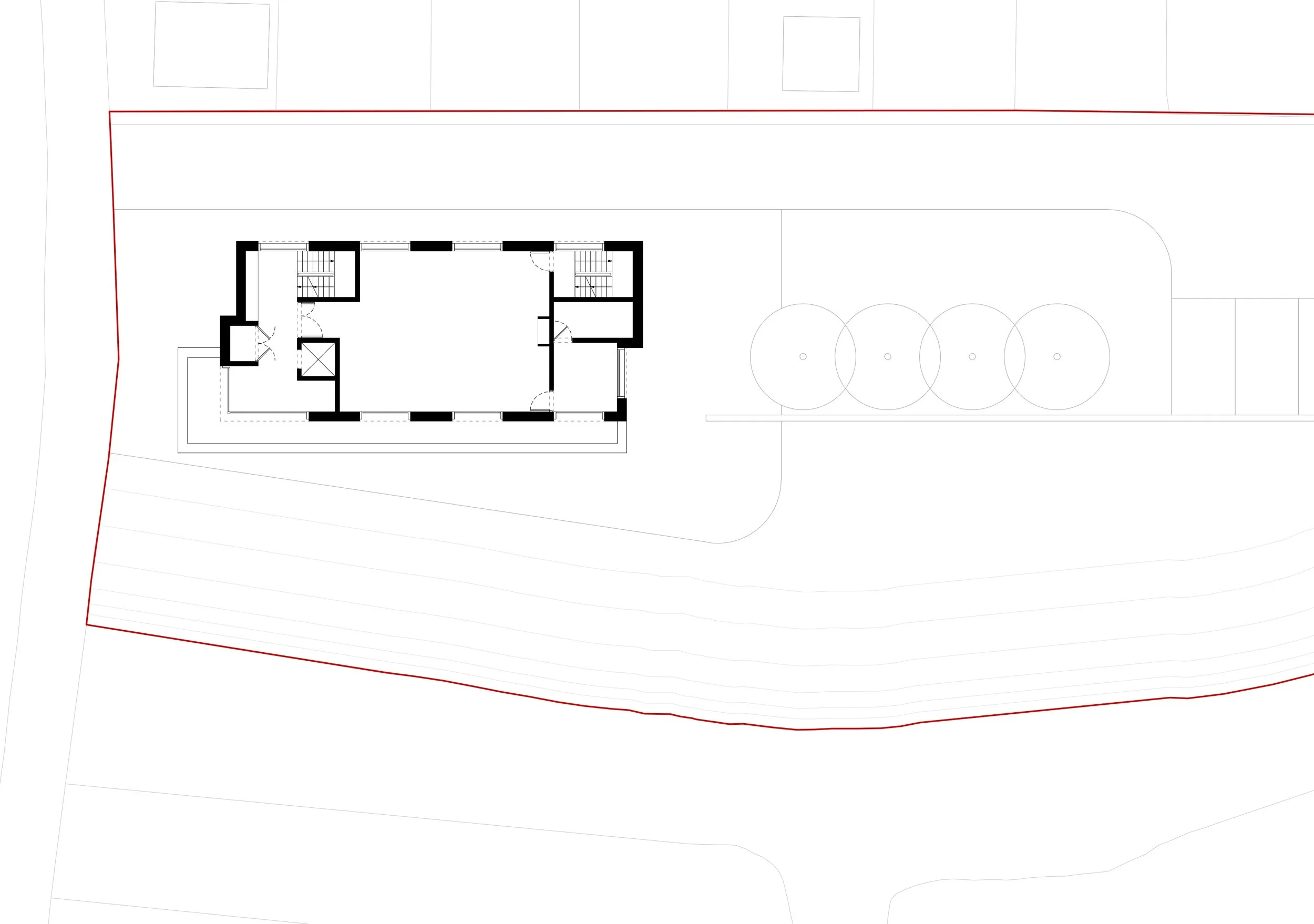
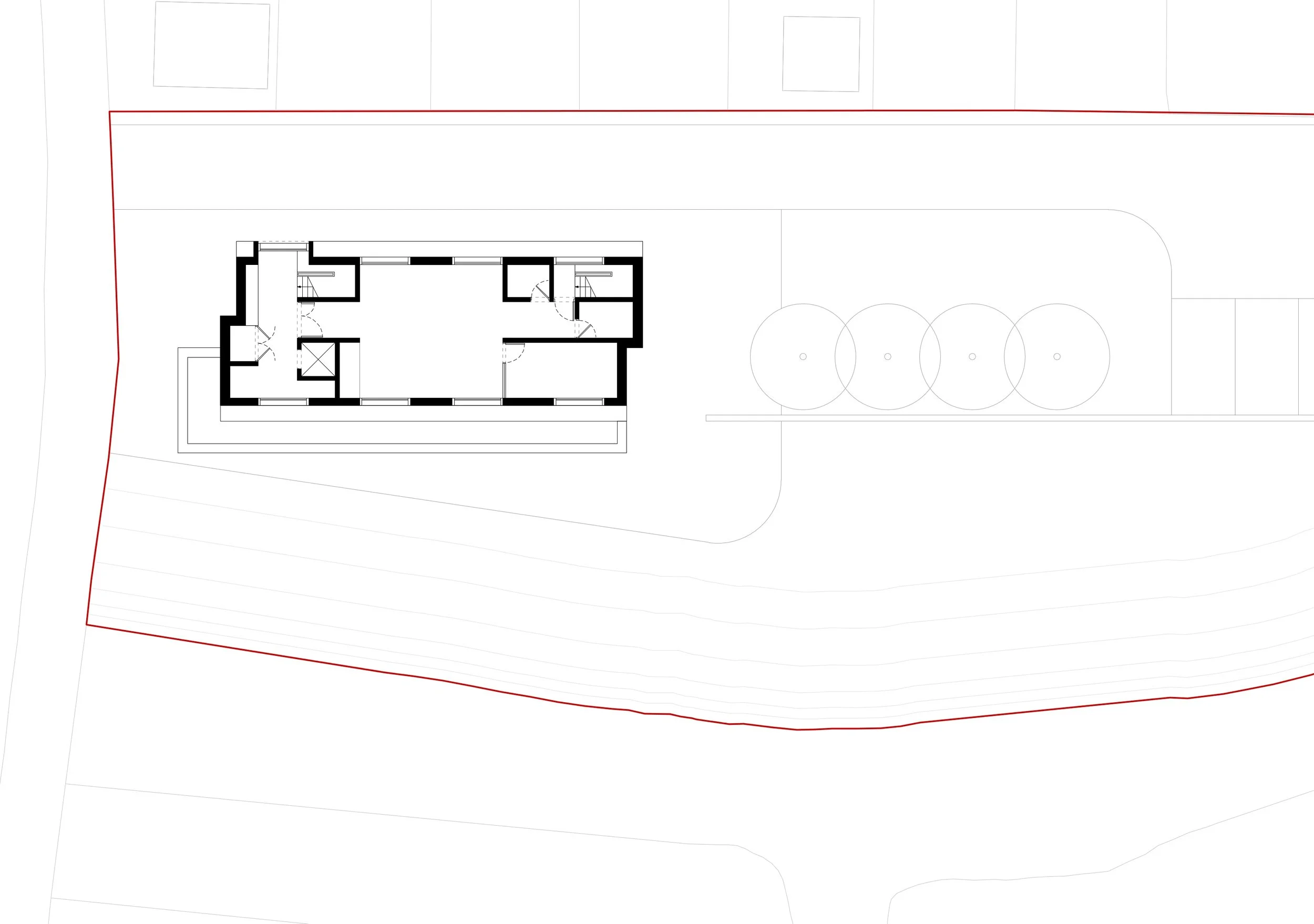
The answer - and this was approved in principle by both the local planning authority and the Environment Agency — was a three-storey community building with over 430 sqm of internal floor space. This created a real estate value and opened up a market of potential buyers who could now see beyond the wasteland.
Utilising the rest of the site for off-street parking, landscaping and creating a sense of tranquility further opened up the opportunities while ensuring the development had no impact on the viability of the flood defences of the River Brent.
That was all the client needed to be able to go to market and the site was sold at auction for a very healthy figure - definitely more than I could fit in my pocket.
By mapping the known, positive or negative, we were able to see where the value was hidden and could be shaped into something tangible.
And this project is not a one-off. We have made our name by finding opportunity on the most challenging of sites, and it is this relentless approach to understanding the site before considering what the possibilities may be that our clients really appreciate.
Looking at things with a "why not" attitude - that is often the difference.
Sopers Yard, Hendon